
Does your mood and energy levels change when the seasons do, particularly as we head into fall and winter? If so, you may be experiencing seasonal affective disorder (SAD). SAD is a type of depression that’s related to changes in seasons, and it begins and ends about the same time each year. Most people with SAD experience symptoms beginning in the fall and continuing through winter. Though less common, some experience symptoms beginning in spring and continuing through summer.
SAD is not simply a case of the “winter blues,” and those experiencing it should take steps to improve their mood and motivation so that it remains steady throughout the year.
Symptoms of SAD
General signs and symptoms of SAD may include:
- Feeling listless, sad or down most of the day, nearly every day
- Losing interest in activities you once enjoyed
- Having low energy and feeling sluggish
- Having problems with sleeping too much
- Experiencing carbohydrate cravings, overeating and weight gain
- Having difficulty concentrating
- Feeling hopeless, worthless or guilty
- Having thoughts of not wanting to live
Symptoms specific to winter-onset SAD, sometimes called winter depression, may include:
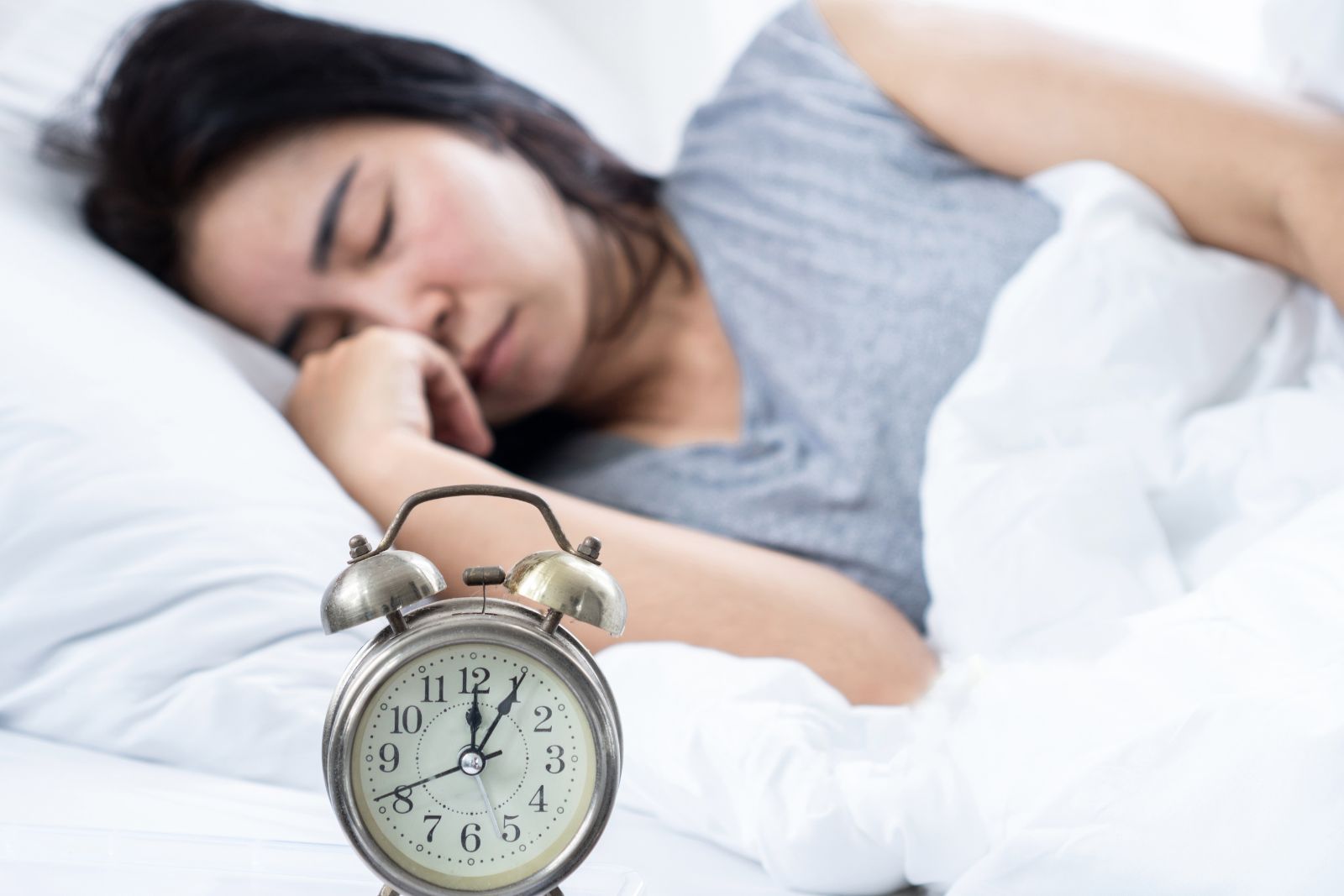 Oversleeping
- Appetite changes, especially a craving for foods high in carbohydrates
- Weight gain
- Tiredness or low energy
Symptoms specific to summer-onset seasonal affective disorder, sometimes called summer depression, may include:
- Trouble sleeping (insomnia)
- Poor appetite
- Weight loss
- Agitation or anxiety
- Increased irritability
Treating SAD
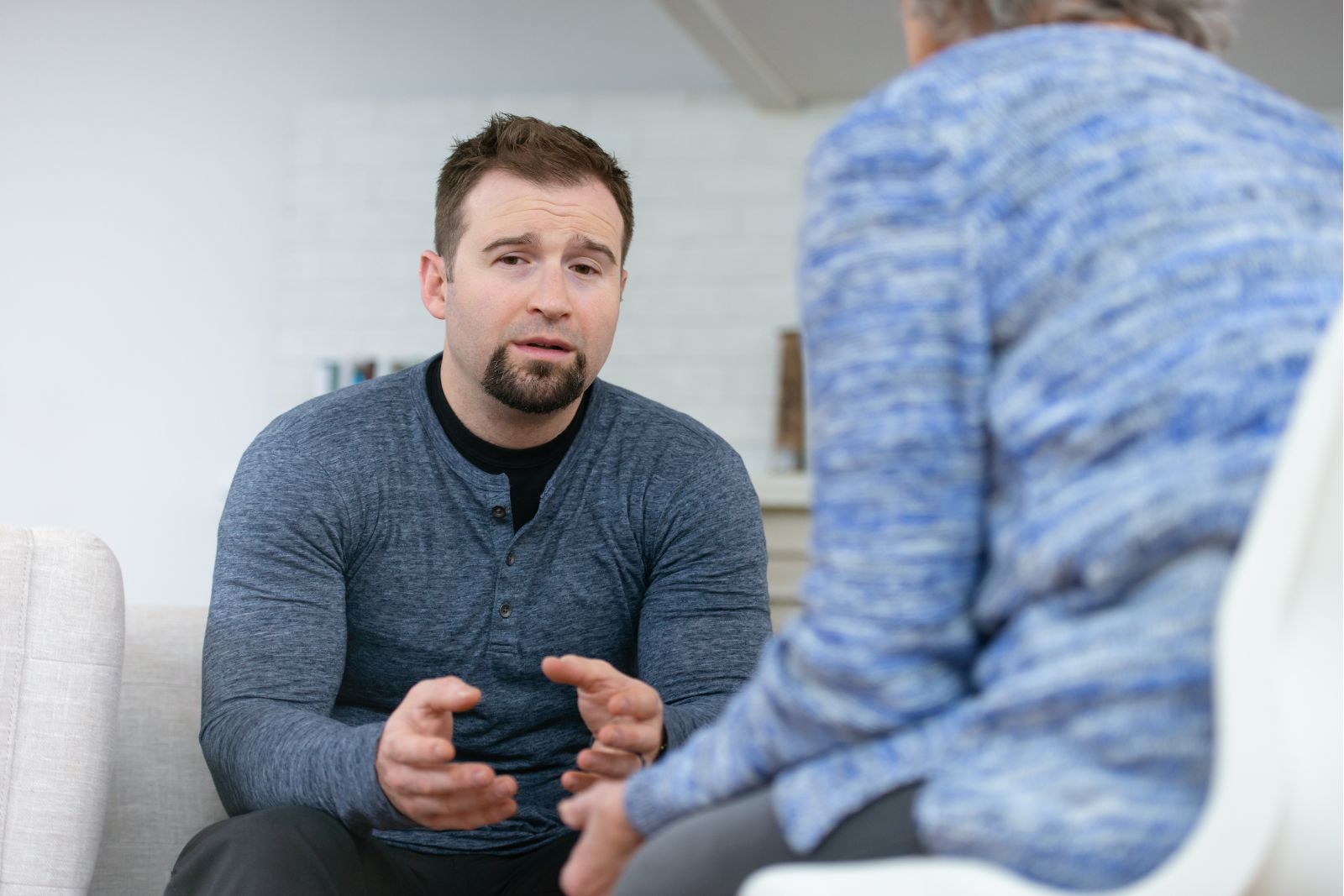
If you think you may have SAD, schedule an appointment with your healthcare provider for a thorough evaluation to determine if you have it and what you need moving forward. They may refer you to a psychiatrist or psychologist, who can better determine your mental health status and needs. Some treatments a healthcare provider may recommend are:
 Light therapy: Bright light therapy, using a special lamp, can help treat SAD. Generally, light therapy is best in the morning with the individual sitting near the lamp for 15 to 30 minutes.
- Cognitive behavioral therapy (CBT): CBT is a type of talk therapy aimed at helping people learn to challenge and change unhelpful thoughts and behaviors to improve their depressive and anxious feelings. Research has shown it effectively treats SAD, producing the longest-lasting effects of any treatment approach.
- Antidepressant medication: Sometimes, providers recommend medication for depression, either alone or with light therapy and/or CBT.
- Spending time outdoors: Getting more sunlight can help improve your symptoms. Try to get out during the day. Also, increase the amount of sunlight that enters your home or office.
- Vitamin D: A vitamin D supplement may help improve your symptoms. Talk to your provider before starting this supplement.
Before starting any treatment, consult with your healthcare provider. Some treatments can have negative impacts for individuals with certain medical conditions, can interact with medications, or have negative impacts for those who are bi-polar or have other disorders.