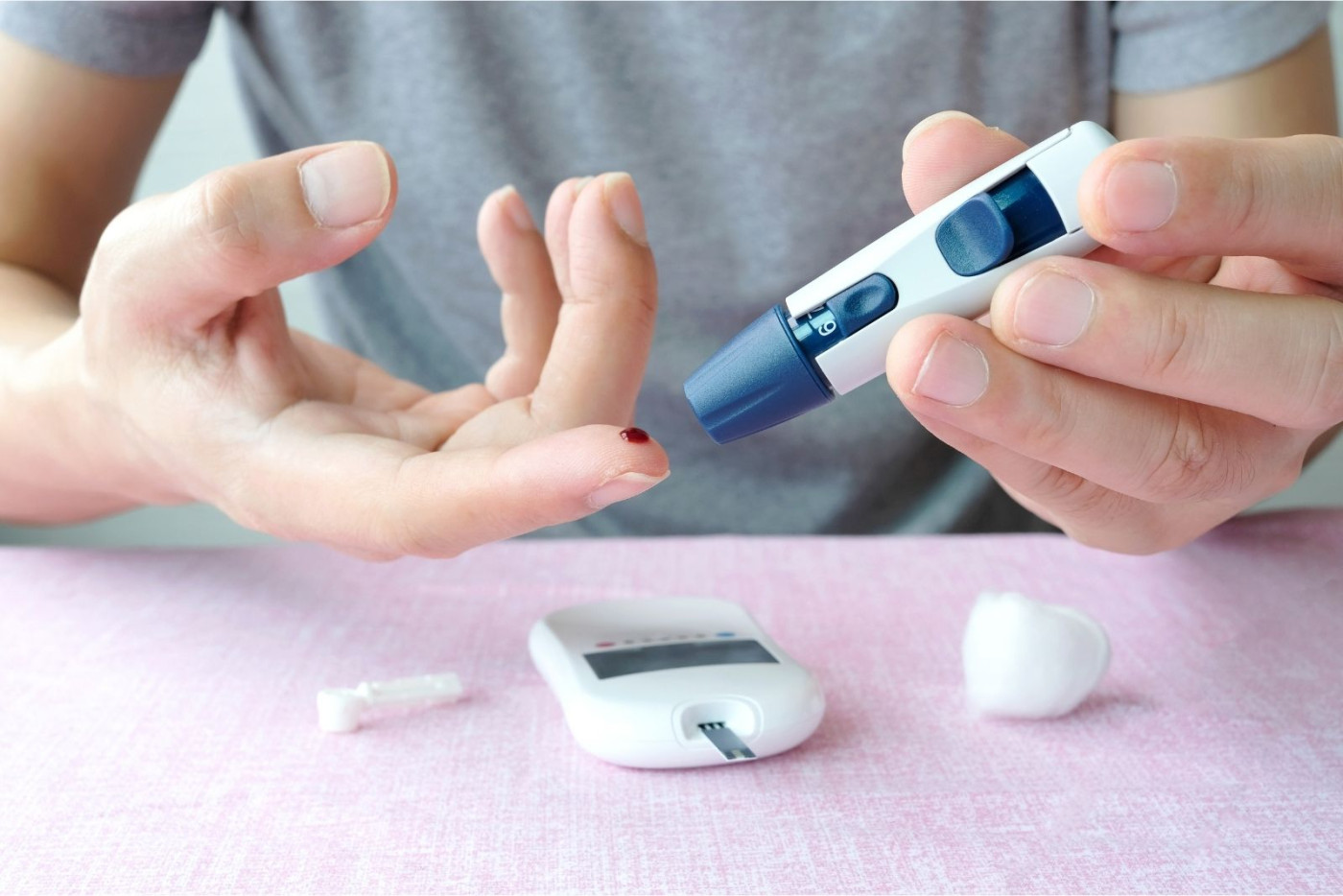
According to the American Diabetes Association (ADA), nearly one in two Americans have diabetes or prediabetes. That means you or someone you know is impacted by diabetes, a chronic disease that can lead to severe health issues affecting the heart, kidneys, and eyes. Because of this, Diabetes Alert Day was created to encourage adults to know their risks, symptoms, and lifestyle changes that can help manage or prevent diabetes.
Symptoms of Diabetes
- Urinating often
- Feeling very thirsty
- Feeling very hungry (even though you are eating)
- Extreme fatigue
- Blurry vision
- Cuts or bruises that are slow to heal
- Weight loss (even though you are eating more (type 1)
- Tingling, pain, or numbness in the hands/feet (type 2)
If you frequently experience one or more of these symptoms, seek medical advice to get a blood test.
Even if you don’t have these symptoms or they are mild, there is a chance you are diabetic or prediabetic. Over 20% of adults with diabetes don’t know they have it, so the American Diabetes Association (ADA) encourages everyone to take their 60-second Type 2 Diabetes Risk Test.
Diabetes Risk Factors
While risk factors for diabetes depend on the type of diabetes, family history seems to play a part in all types. Other risk factors include:
 Environmental and geography (type 1): Higher incidence in colder climates further from the equator.
- Age (type 1 and 2): Type 1 is most common in children and teenagers (peaks at 4-7 years old and 10-14 years old). The risk of type 2 increases as you age, especially after age 35 and significantly after age 45.
- Race and ethnicity (type 2): African American, Hispanic/Latino, American Indian, Asian American, or Pacific Islander individuals have higher risks.
- Being overweight or obese (type 2): Being overweight or obese, particularly with high levels of visceral (abdominal) fat, is a primary driver of insulin resistance.
- Inactivity (type 2): A sedentary lifestyle or lack of regular exercise (less than 3 times a week) increases risk.
- Diet (type 2): A diet high in processed foods, added sugars, sugary beverages, and low in fiber can increase risk.
- Smoking (type 2)
- Sleep (type 2): Both too much and too little sleep can disrupt metabolism and increase insulin resistance.
- Stress (type 2): Long-term stress and anxiety can contribute to higher risks.
- Other Health Conditions (type 2): High blood pressure, low HDL ("good") cholesterol, high triglycerides, non-alcoholic fatty liver disease (NAFLD), and polycystic ovary syndrome (PCOS)
Ways to Reduce the Risk of Developing Diabetes
While you cannot control things like family history, genetics, and environment, there are some lifestyle changes you can make that can help reduce the risk of developing diabetes, including:
 Weight Management: Losing even 10–15 pounds can significantly lower risk.
- Physical Activity: Aim for at least 30 minutes of moderate-intensity exercise (e.g., brisk walking) 5 days a week.
- Dietary Changes: Increase fiber, reduce sugar and refined carbs, choose healthy fats, and eat smaller portions to manage calorie intake.
- Stay Hydrated: Drink water instead of sweetened beverages.
- Quit Smoking: Smoking increases blood sugar levels and diabetes risk.
- Reduce Sedentary Time: Avoid sitting for long periods; take short breaks to move.
- Get Regular Checkups: Monitor blood pressure and cholesterol levels.
- Ask About Screenings: Ask your doctor about testing for prediabetes.